

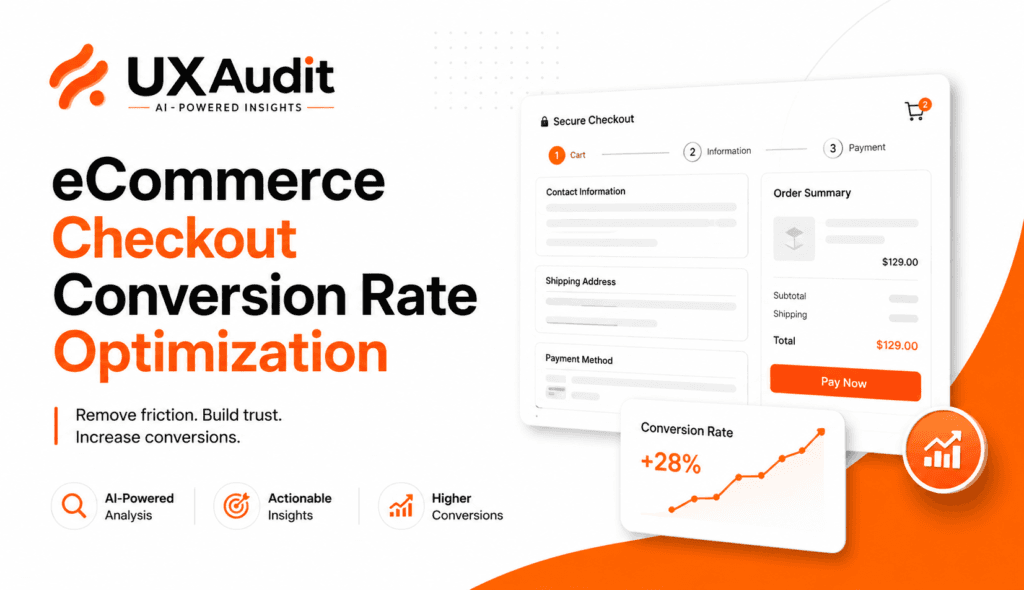

Consider this situation: You have invested a significant amount of money in advertising efforts, created amazing social media campaigns, and put a lot of work into perfecting your product pages. You have traffic coming to your site, people browsing through it, showing high intent of purchase by putting products into their shopping carts. And then you lose them, they close the window and leave behind several abandoned carts.
If this scenario sounds all too familiar to you, rest assured you are not the only one experiencing it. On average, cart abandonment rate across the e-commerce market falls within the 70% to 80% range, which means that 3 out of 4 customers who show high intent of purchase do not actually buy anything.
In order to mend the funnel leakages, you need to be aware of the exact spots that have holes in it. Let us find out the major underlying factors that cause people to back out during the last minute.
1. Hidden Fees and Sudden Price Shocks
The most common cause of consumers leaving the shopping cart behind is unexpected additional costs. Nothing is more jarring to the psychological state of the buyer than adding something to the cart that is priced at $50 and suddenly realizing upon checkout that the cost increased to $73.
The customer feels betrayed and tricked by “sticker shock.” Though the charges may all be very valid, the surprise charges of them right when it counts undermines the trust completely.
Solution: Your secret weapon is radical transparency. Make sure you let your customers know your shipping charges right up front. The even better solution would be to build the average cost of shipping directly into your product pricing and offer “Free Shipping.” People tend to favor a product costing $60 for free shipping versus a $50 item with a $10 charge for shipping.
Transparent pricing is a fundamental part of eCommerce checkout conversion rate optimization because it builds trust before customers reach the payment stage.
2. Mandatory Account Creation
This is an era of digital exhaustion. Buyers are bogged down by numerous passwords, subscriptions, and email promotions. If your customers want to make a fast purchase, but they are made to “Create an Account,” confirm their email, set up a strong password just to give you money, then you have created great friction.
Requiring account creation treats a simple purchase as though it were a relationship. A lot of people would prefer to buy their goods from some other place.
Solution: Offer a clear “Guest Checkout” choice. They’ll be able to make their purchase using just their email address and a place where they can receive their purchase. After completing the purchase process and building up some trust with you, you could ask them at the completion stage to create a password to manage their order history. Timing makes all the difference!
Friction is the worst nightmare of conversions. Each form field or click that you’re making someone do will reduce your conversions substantially. Buying needs to be as easy as breathing.
3. A Clunky, Confusing Checkout Process
The checkout experience must be clean and simple. However, most checkouts for e-commerce sites are designed like an obstacle race. Some examples include making customers fill lengthy, unnecessary forms, a lack of mobile responsiveness, and repeated multi-page reloads, which could lead to technical failures.
Since more than half of the total web browsing traffic is mobile, having a checkout page that requires zooming in and clicking small buttons will drive off the mobile customers.
Solution: Go for a simple and compact one-page checkout process whenever possible. Keep your form fields minimal in terms of number; only keep name, address, payment details, and email fields. Enable auto-fill for address through Google Places API, and make sure your checkout buttons are big, tactile, and very responsive across all devices.
4. Lack of Diverse and Modern Payment Options
The consumer expectations for electronic payment systems have changed greatly in recent years. When your website only accepts credit card payments that require the entry of the 16-digit credit card number manually, along with its expiration date and CVV code, you miss out on many sales.
Today’s consumers expect quick ways of payment. They like to pay with just one click or scan, especially when shopping from their mobile device on the go.
The Solution: Incorporate payment options such as Apple Pay, Google Pay, and PayPal. In addition, based on who your target audience is and the average amount of their purchases, you may incorporate the use of buy now, pay later platforms, such as Klarna, Affirm, or Afterpay, to achieve significant gains.
5. Trust Deficits and Security Anxiety
Since news of data breaches regularly hits the media, online customers are extremely cautious about their financial details. In case your web page appears to be outdated, has broken links, or weird bugs in its design, it means there is no security from a psychological point of view of the customer. And in case they doubt its reliability, they will not give you their credit card details.
Establishing trust goes beyond simply showing security badges during checkout. Every step, from the product page to the checkout process, contributes to how sure customers are that they will be able to complete their purchase. The importance of putting the needs of customers first is one of the consistent themes of What Top Ecommerce CMOs Know About Conversion Optimization.
Solution: Visual indicators of security are essential. Make sure that HTTPS encryption is implemented on all pages of your site. Include security logos and payment gateway logos, such as Visa, MasterCard, and Stripe, near the purchase buttons. What is more, presenting real customer testimonials and an easily accessible returns policy is crucial for increasing your credibility.
6. Slow Loading Times and Technical Glitches
Speed is an essential element of user experience. Studies have found that even a one-second page load delay may cause a conversion decrease by 7%. When a customer clicks on “Continue to Shipping” and sees spinning wheels for eternity, he or she might think that either there is something wrong with your website or even that payment has been processed twice.
The Fix: Optimize the images of your products, utilize a Content Delivery Network (CDN), get rid of bulky code, and conduct frequent checks on the backend performance of your website. It must be powerful enough to cope with any sudden increase in traffic during the seasons.
Stop Guessing: Diagnose Your Leaks Instantly with a UX Audit Tool
Do you want more traffic to convert to paying customers? Then don’t leave your conversions up to fate. The UX Audit is our service that aims at ecommerce checkout conversion rate optimization through a detailed user experience audit. Discover conversion inhibitors like complicated form fields, low usability on mobile devices, slow checkout process, ineffective navigation and many others that make people abandon your site.